The Value of Lawful Video Clip Depositions in Modern Legal Providers: What You Should Know
Lawful video depositions have come to be crucial in today's lawful landscape. They provide a multidimensional view of witness testaments that standard records just can not match. By capturing both non-verbal and spoken interaction, these depositions boost the general understanding of a witness's trustworthiness. Nevertheless, the effectiveness of video depositions pivots on numerous aspects, consisting of compliance with lawful criteria and best practices (legal video depositions). Discovering these elements discloses their real value in modern-day legal services
What Are Lawful Video Depositions?
Legal video depositions work as a vital device in the litigation procedure. They include tape-recording witness testimonies in a video clip style, capturing both non-verbal and spoken communication. This approach enables attorneys to record the behavior, expressions, and reactions of witnesses, giving a richer context for the statement. Typically performed in a controlled setting, these depositions are led by attorneys who ask inquiries while a court reporter records the dialogue. The resulting video clip can be important for trial prep work, as it enables legal representatives to evaluate the reliability of witnesses and improve their techniques. Furthermore, lawful video clip depositions can be made use of in numerous legal contexts, ranging from civil disagreements to criminal cases. The visual and auditory aspects of video clip depositions boost the presentation of proof, making it a necessary component in the modern legal landscape. Generally, they add considerably to the efficiency and effectiveness of legal process.
Advantages of Video Clip Depositions Over Conventional Methods
Video depositions use many advantages compared to typical techniques of taking witness statements. One significant benefit is the capacity to catch both visual and audio aspects, providing a much more thorough document of the witness's declarations. This dual layout enhances quality and allows attorneys to reference certain nuances during test preparation. In addition, video depositions assist in remote participation, making it much easier for witnesses that may be inaccessible for in-person appearances because of geographical restraints or wellness issues.Moreover, video depositions can quicken the overall deposition process, lowering the time and expenses associated with travel and logistics. They additionally enhance ease of access, as tape-recorded depositions can be easily shared amongst lawful teams and referenced at any moment. This benefit adds to far better case administration and prep work. On the whole, video depositions represent a contemporary, reliable approach to gathering witness statements, lining up with the evolving demands of the legal profession.
The Function of Body Movement and Tone in Testimonies
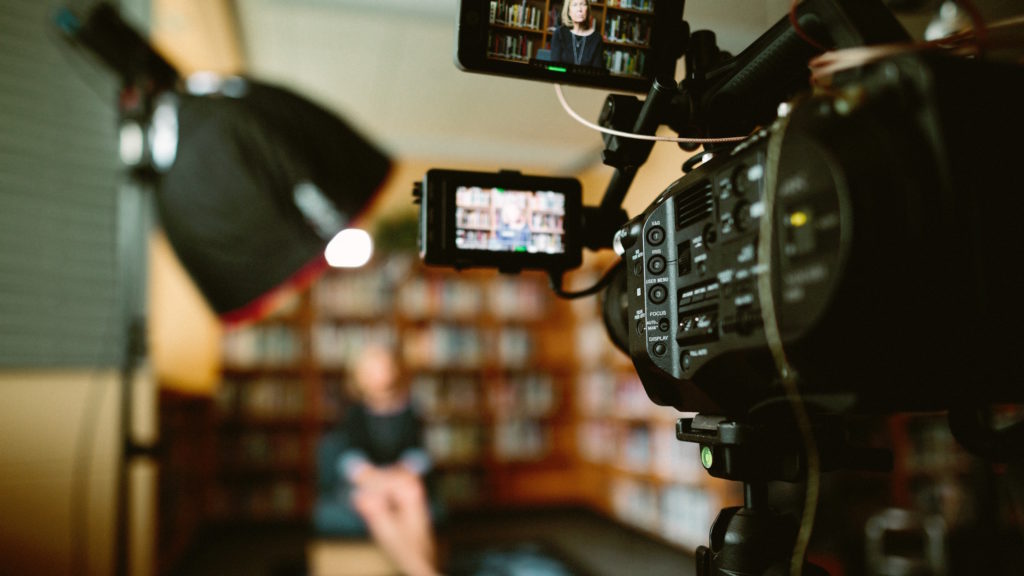
In legal video clip depositions, body movement and tone play crucial roles in sharing a witness's trustworthiness and reliability. Nonverbal cues can offer understandings right into a witness's mood, affecting exactly how their testimony is perceived. Understanding the influence of these components is crucial for jurors and attorneys alike when assessing the reliability of a testimony.
Nonverbal Communication Insights
While spoken communication is typically stressed in legal testaments, nonverbal hints such as body language and tone play a vital role in conveying trustworthiness and emotion. Observers of depositions might note that a witness's posture, motions, and faces can greatly influence assumptions of dependability. For instance, consistent eye call might signal confidence, while preventing gaze can recommend dishonesty or pain. In a similar way, the intonation-- its rate, pitch, and quantity-- can give feelings of sincerity or unpredictability. Legal professionals need to be attuned to these nonverbal signals, as they frequently supply vital context that enhances talked words. Recognizing these subtleties can improve the effectiveness of depositions and affect the outcome of legal process.
Emotional Tone Effect
The emotional tone shared during legal testimonies substantially affects how a witness is viewed. Body language, vocal inflections, and facial expressions play vital duties fit the story of a testimony. A witness displaying self-confidence through consistent eye contact and a tranquil tone can infuse a sense of integrity and engagement. Conversely, indicators of anxiousness, such as fidgeting or an unsteady voice, might lead to apprehension concerning their account. The nuances of emotional expression can influence the interpretation of truths, making it essential for attorneys to identify these cues. In video depositions, the auditory and visual elements incorporate, stressing the significance of psychological tone in conveying sincerity and truthfulness within the lawful process.
Reputation and Trustworthiness
An important consider developing reputation and trustworthiness during testaments depends on the witness's body movement and tone of voice. Onlookers usually depend on non-verbal cues-- such as eye call, posture, and motions-- to assess a witness's sincerity. For circumstances, a witness that preserves eye call and displays open body language may be viewed as even more reliable and honest than one who avoids eye contact or shows up blocked. Furthermore, intonation plays a necessary duty; a steady, tranquil tone can strengthen the trustworthiness of the testimony, while variations in pitch or quantity might raise uncertainties. Ultimately, the mix of body movement and vocal tone significantly affects how a witness's declarations are received and interpreted in a legal context.
Ideal Practices for Performing Video Clip Depositions
Performing video clip depositions requires cautious planning and implementation to ensure a clear and effective discussion of testament. First, it is vital to choose a silent, well-lit location to minimize diversions and protected optimum video high quality. The equipment needs to be examined in development, including video cameras, microphones, and illumination, to stay clear of technological problems during the deposition.Next, celebrations entailed must evaluate the style and procedures in advance, seeing to it that everyone comprehends their duties. The deponent should be informed on the procedure, including how to respond clearly and concisely.Additionally, keeping a specialist temperament throughout the session is crucial. This consists of refraining from speaking over one an additional and verifying that all questions are routed properly. It is critical to tape-record the deposition in a style that permits for very easy playback and testimonial, preserving the integrity of the testimony for future use.
Legal Considerations and Compliance Issues
Exactly how do legal considerations and compliance problems affect the efficiency of video clip depositions? Lawful professionals should navigate an intricate landscape of policies, making certain that video depositions stick to administrative guidelines and criteria. Compliance with regulations worrying privacy, approval, and recording techniques is crucial. Getting specific approval from all celebrations involved is needed to stay clear of lawful repercussions.Additionally, the admissibility of video proof in court can pivot on compliance with procedural demands. Making certain that the tools utilized meets technological criteria is likewise important, as low quality see it here can undermine the deposition's reliability.Moreover, attorneys have to understand any specific state regulations that regulate video clip depositions, as these can differ significantly. Failing to deal with these considerations can not just endanger the integrity of the deposition but additionally affect the overall instance technique, ultimately impacting the client's legal outcomes.
How Video Depositions Impact Court Perception
While video clip depositions can offer as powerful devices in legal process, their influence on jury perception is significant. The auditory and aesthetic elements of video clip recordings provide jurors with a much more comprehensive understanding of witness temperament, integrity, and psychological reactions. This multimedia method can enhance the jurors' capacity to assess the dependability of testimony compared to typical text-based transcripts.Moreover, video depositions enable jurors to observe body movement, tone of voice, and faces, all of which can influence their analysis of the witness's statements. The visibility of a witness on screen can humanize them, promoting compassion and link, which may persuade jurors' point of views. Alternatively, a witness who appears unreliable or evasive on video might bring about negative assumptions that affect a jury's decision. Eventually, the vibrant nature of video clip depositions plays a vital function in forming just how jurors interpret evidence and reach their verdicts.
The Future of Video Clip Depositions in Legal Technique
As developments look at more info in modern technology continue to reshape the lawful landscape, the future of video clip depositions is positioned for significant development. Advancements such as expert system, online fact, and boosted video conferencing tools are expected to enhance the deposition process and boost accessibility. Lawyers might utilize AI-driven analytics to evaluate witness credibility and case stamina a lot more effectively.Moreover, the assimilation of virtual truth websites can permit courts to experience immersive simulations of depositions, providing deeper context and understanding. Furthermore, the fad toward remote depositions is likely to persist, using better flexibility for attorneys and clients alike.As remote job comes to be progressively stabilized, video clip depositions will likely become basic method, lowering costs and time constraints related to conventional techniques. On the whole, these technological developments guarantee to enhance the efficiency, effectiveness, and ease of access of video depositions in legal technique, ultimately transforming exactly how lawyers prepare for test.
Often Asked Concerns
Just How Much Do Legal Video Clip Depositions Typically Cost?
Can Video Depositions Be Utilized in Any Type Of Sort Of Situation?
Video clip depositions can be used in numerous kinds of instances, consisting of civil, criminal, and household law. Their flexibility permits lawyers to present witness testimonies properly, adjusting to the specific needs of different legal scenarios.
What Equipment Is Needed for a Video Clip Deposition?
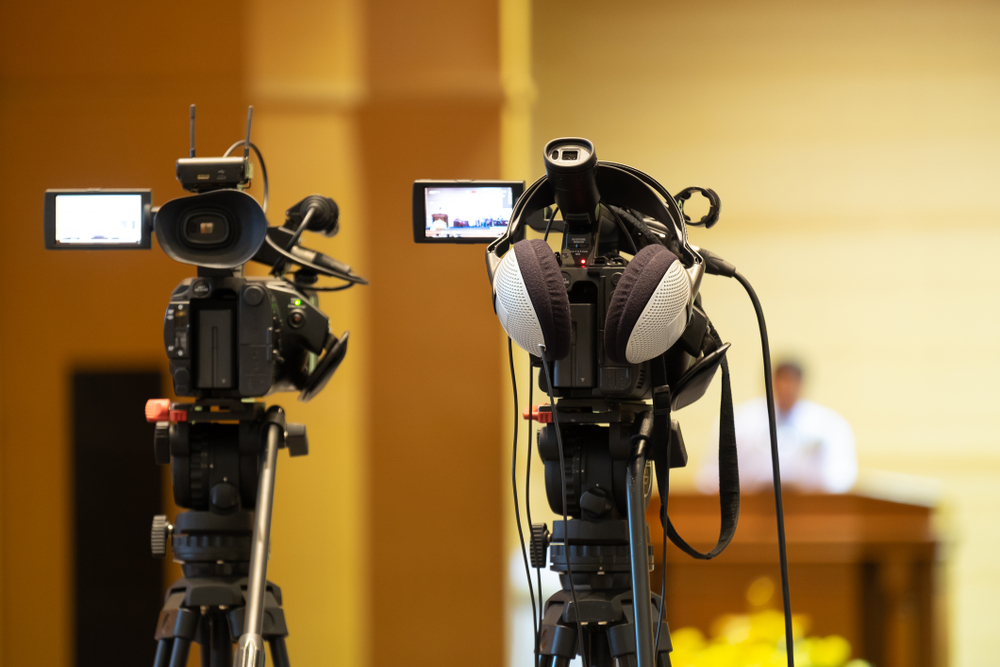
To perform a video clip deposition, necessary tools includes a top notch cam, microphone, illumination, and a dependable recording tool. Furthermore, a computer system with modifying software might be essential for post-production and formatting the last video.
The length of time Does a Normal Video Deposition Last?
A regular video clip deposition lasts between 2 to 4 hours, depending on the intricacy of the case and the variety of questions postured. Extended sessions may take place, however breaks are generally included for participant convenience.
Are Video Depositions Admissible in Court?
Video clip depositions are normally acceptable in court, offered they follow lawful standards and policies of evidence. Their usage enhances clearness and maintains witness statement, aiding in the judicial process during hearings and tests. Legal video depositions have come to be important in today's legal landscape. Additionally, lawful video clip depositions can be used in various lawful contexts, ranging from civil disagreements to criminal situations. Additionally, video clip depositions help with remote participation, making it much easier for witnesses who might be unavailable for in-person looks due to geographical restrictions or health and wellness issues.Moreover, video clip depositions can accelerate the total deposition procedure, decreasing the time and expenses linked with traveling and logistics. Making certain that the tools made use of fulfills technological requirements is additionally crucial, as bad top quality can threaten the deposition's reliability.Moreover, lawyers need to be aware of any type of certain state regulations that control video clip depositions, as these can vary substantially. Additionally, the fad towards remote depositions is likely to linger, supplying better adaptability for clients and attorneys alike.As remote job ends up being significantly normalized, video clip depositions will likely become standard practice, lowering prices and time restrictions connected with conventional methods.
Comments on “The impact of non-verbal communication in legal video depositions”